

UK Defence Textile Alliance Strengthens Domestic Military Fabric Manufacturing
Share Post
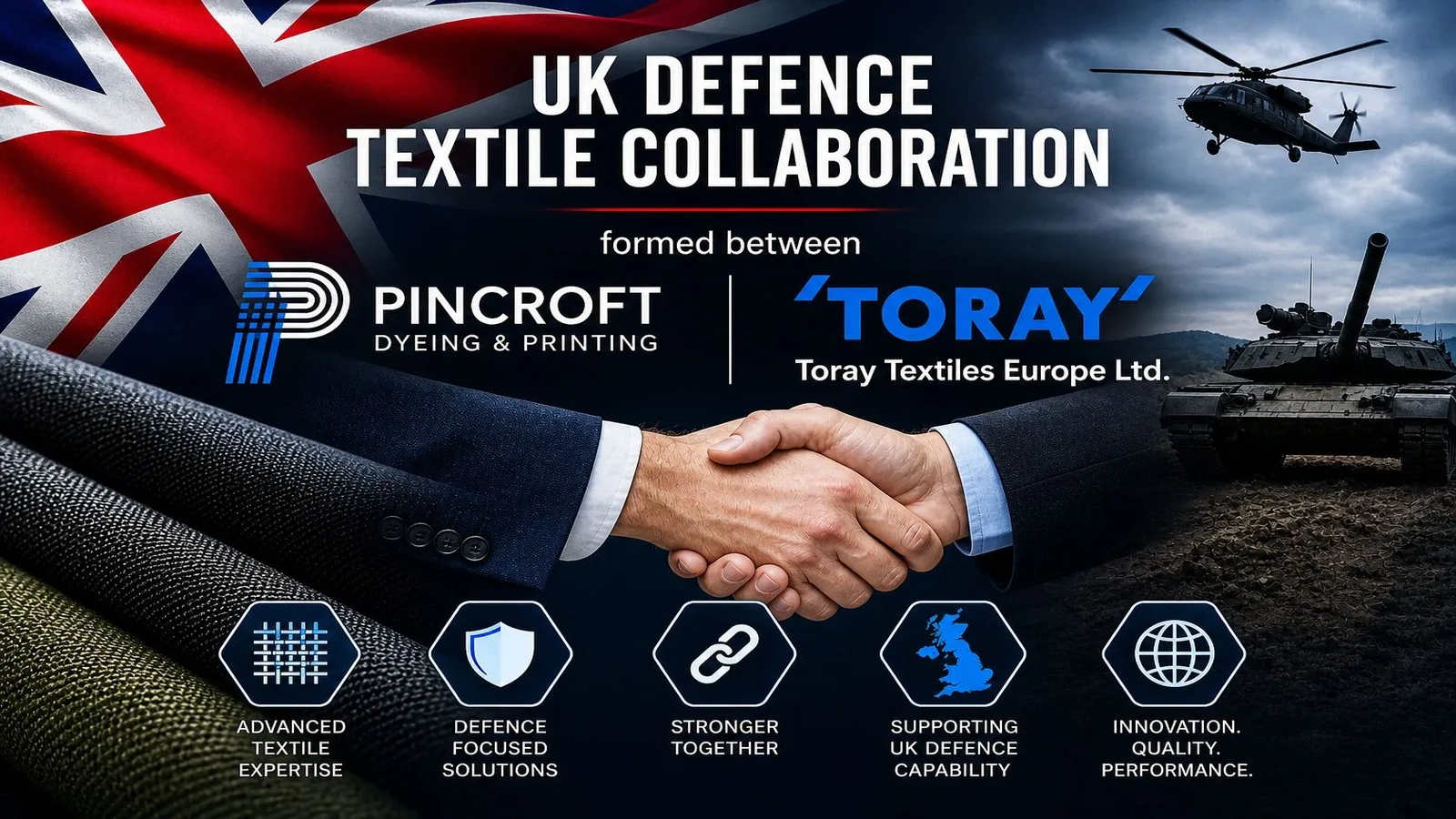
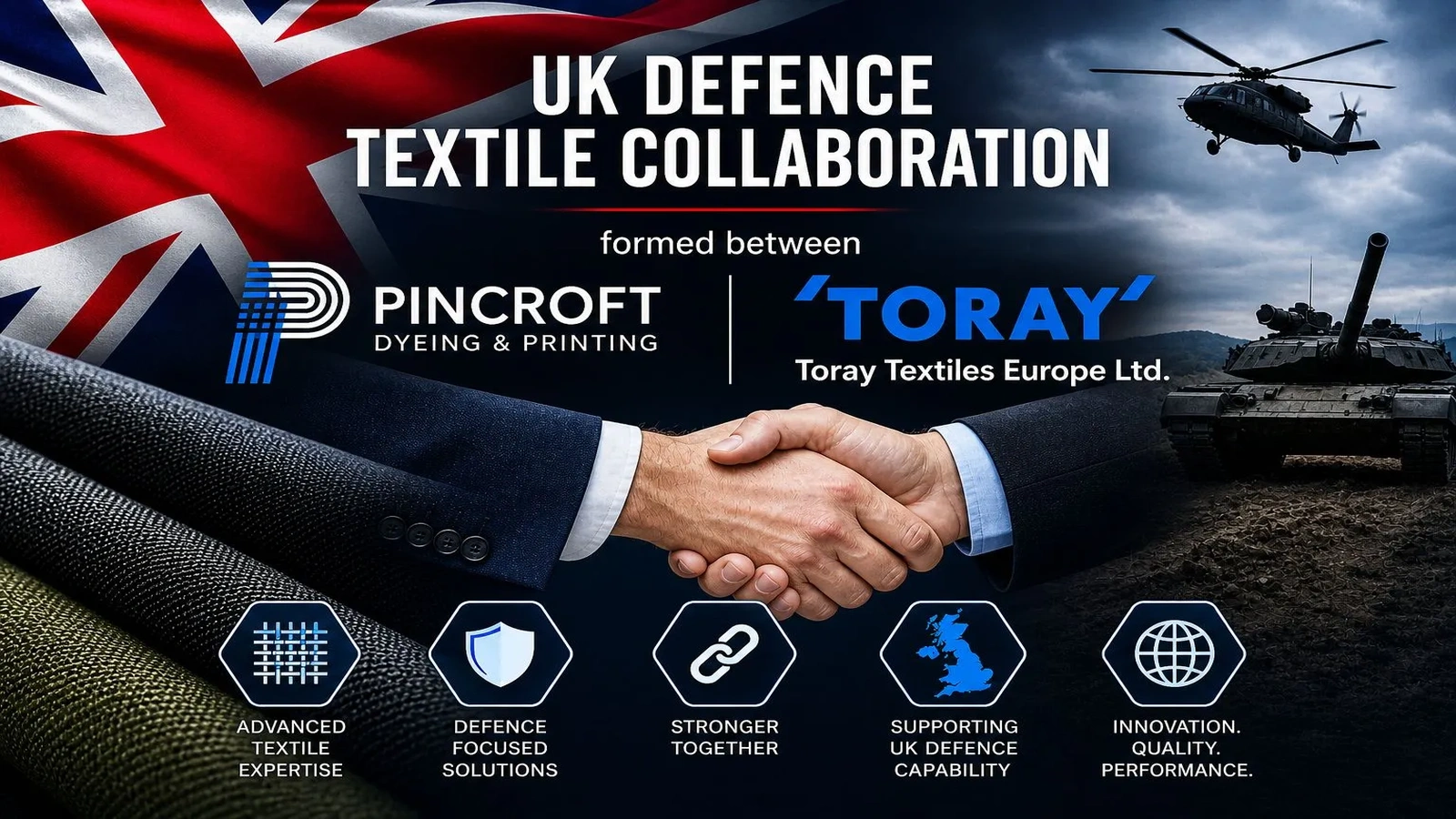
Britain’s defence textile sector is set for a major boost as Pincroft Dyeing & Printing and Toray Textiles Europe Ltd announced a strategic collaboration focused on supplying advanced printed woven technical textiles for the UK defence industry. The partnership reflects growing efforts to build a stronger and more resilient domestic supply chain for military applications at a time when nations are increasingly prioritising local manufacturing capabilities.
Operating from the Northwest of England, Pincroft has long been recognised as one of Europe’s leading Textile Processing and printing specialists. With production capacity exceeding 50 million metres annually and exports reaching more than 80 countries, the company already supplies fabrics used in military uniforms across global defence programmes. Its expertise in camouflage printing and flame-retardant finishing places it at the centre of high-performance defence textile manufacturing.
Toray Textiles Europe brings complementary strengths to the partnership through its expertise in synthetic fibre weaving, dyeing, and finishing for defence, medical, and industrial sectors. The company recently invested over £15 million in advanced looms and processing technology, significantly expanding its manufacturing capabilities and reinforcing its commitment to technical textile innovation.
Industry leaders view the collaboration as more than a commercial agreement. It represents a strategic move to enhance the UK’s self-reliance in defence manufacturing while supporting employment and industrial growth across the textile sector. By combining large-scale production capabilities with specialised technical expertise, both companies are positioning themselves to meet future military procurement demands efficiently and sustainably.
The partnership has also received attention from industry bodies and policymakers advocating stronger local sourcing strategies for UK defence requirements. Recent visits by Anne, Princess Royal, in her role as President of the UK Fashion & Textile Association, further highlighted the growing importance of domestic textile manufacturing for national security and industrial resilience.
As defence supply chains continue to evolve globally, collaborations like this could redefine the future of British technical textile manufacturing and reinforce the country’s position in advanced military fabrics.
12:19 PM, May 08


Industry Update

1.webp)
1.webp)
1.webp)


1.webp)

1.webp)
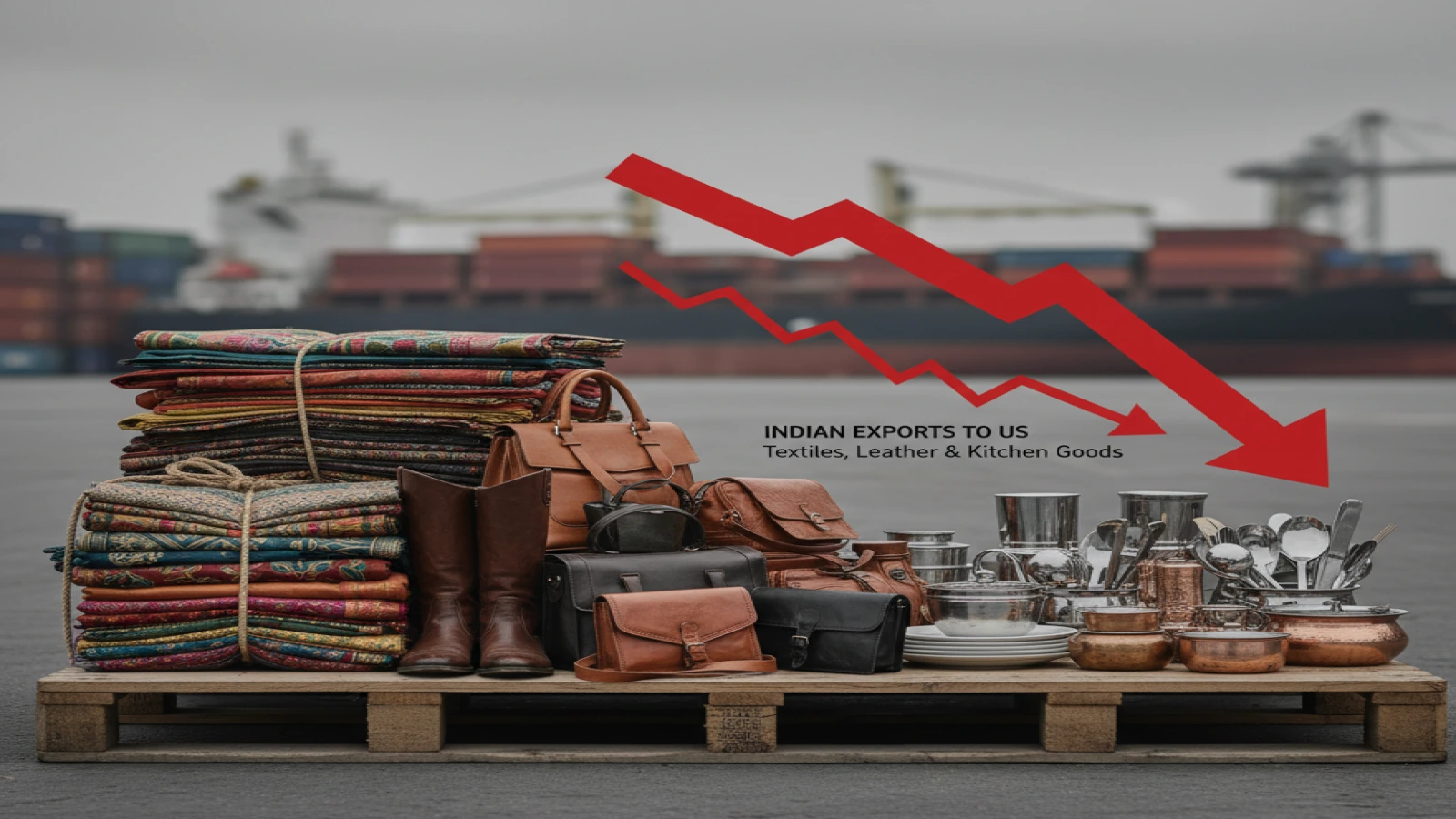
India’s Textile Exports Slip in FY26, Exposing Structural Gaps in Global Competitiveness...view more
1.webp)
1.webp)
.webp)
1.webp)
1.webp)
1.webp)
1.webp)

India Textile Exports Fall in FY26: Apparel Shows Slight Strength Amid Global Challenges...view more
1.webp)

1.webp)


1.webp)
1.webp)

1.webp)
1.webp)

1.webp)
1.webp)
1.webp)


1.webp)
1.webp)


1.webp)


1.webp)


1.webp)


1.webp)


1.webp)
1.webp)
1.webp)


1.webp)
1.webp)
1.webp)

1.webp)


1.webp)
1.webp)


1.webp)


1.webp)
1.webp)


1.webp)

1.webp)


1.webp)


1.webp)
1.webp)
1.webp)


1.webp)
1.webp)


1.webp)


1.webp)

1.webp)
1.webp)
1.webp)
1.webp)


1.webp)

1.webp)


1.webp)

1.webp)


1.webp)



1.webp)


1.webp)

1.webp)
1.webp)
1.webp)

1.webp)
.webp)

1.webp)

1.webp)



1.webp)





1.webp)

1.webp)


.webp)


1.webp)
1.webp)





.png)


.jpg)


1.jpeg)
