

India-EU FTA Set to Boost Indian Textile Exports and Global Trade, Says ICRA

Share Post
ndia’s recently finalized Free Trade Agreement (FTA) with the European Union (EU) is expected to deliver major benefits to key Indian industries — particularly the textiles and apparel sector, according to a sectoral analysis by credit rating agency ICRA.
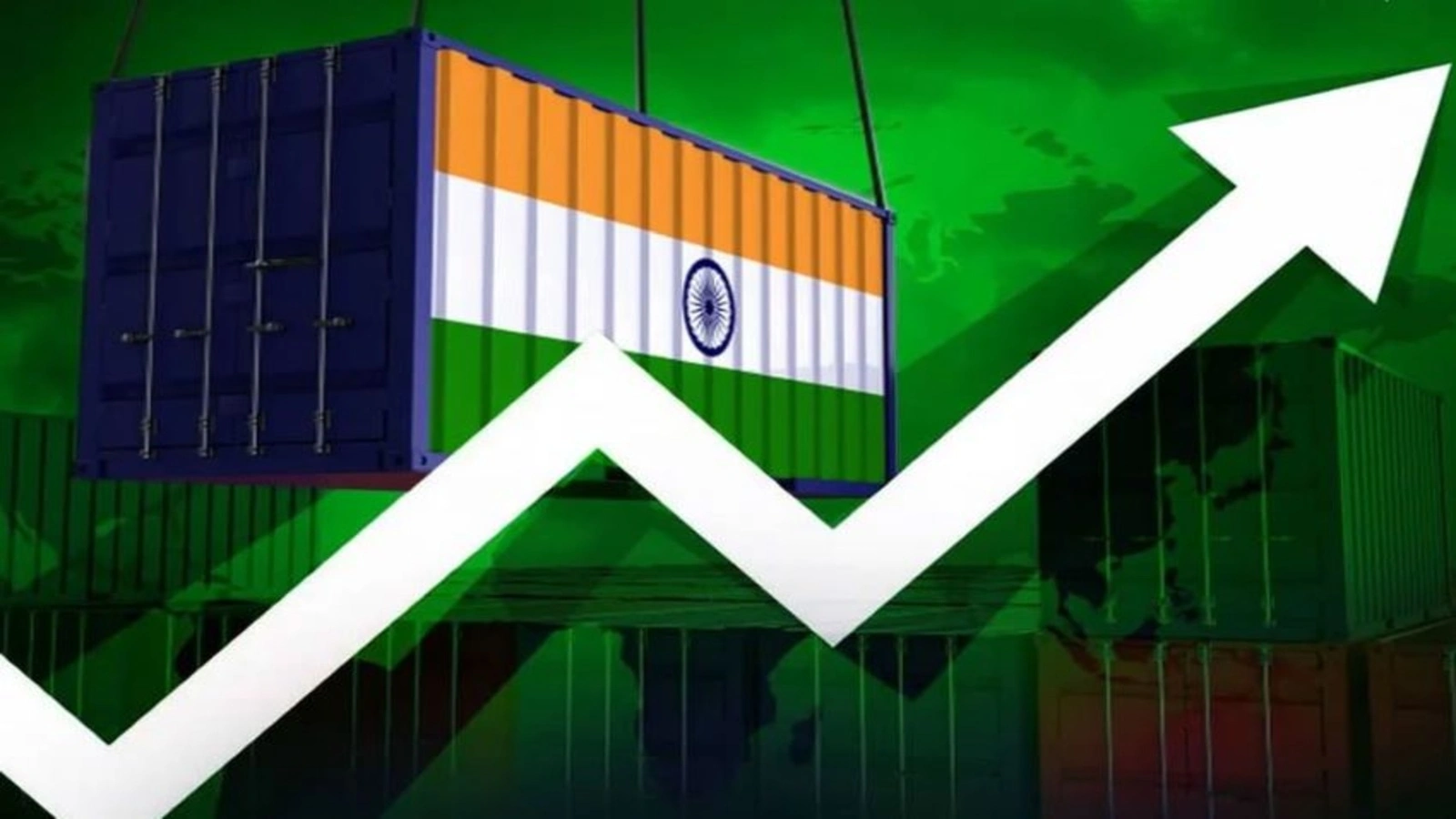
Finalized in January 2026 after prolonged negotiations, the India-EU FTA eliminates tariffs on over 90 % of goods traded between the two regions. Under the deal, India gains zero-duty access on about 97 % of EU tariff lines, covering almost 99.5 % of the value of its exports. India will also cut or remove tariffs on 92 % of its tariff lines for EU imports, marking a significant expansion in market access.
Textiles and Apparel to Gain Strong Competitive Edge
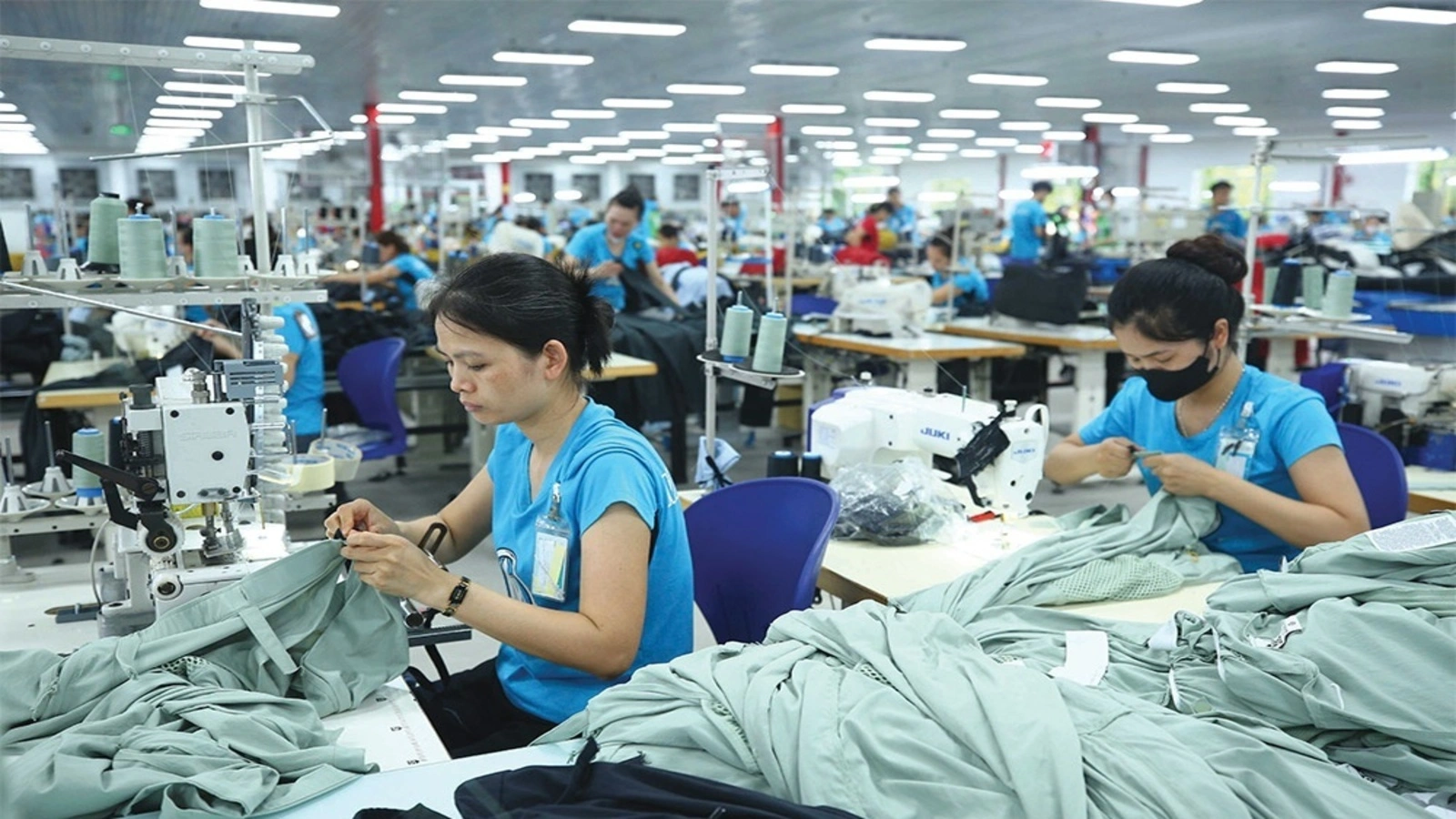
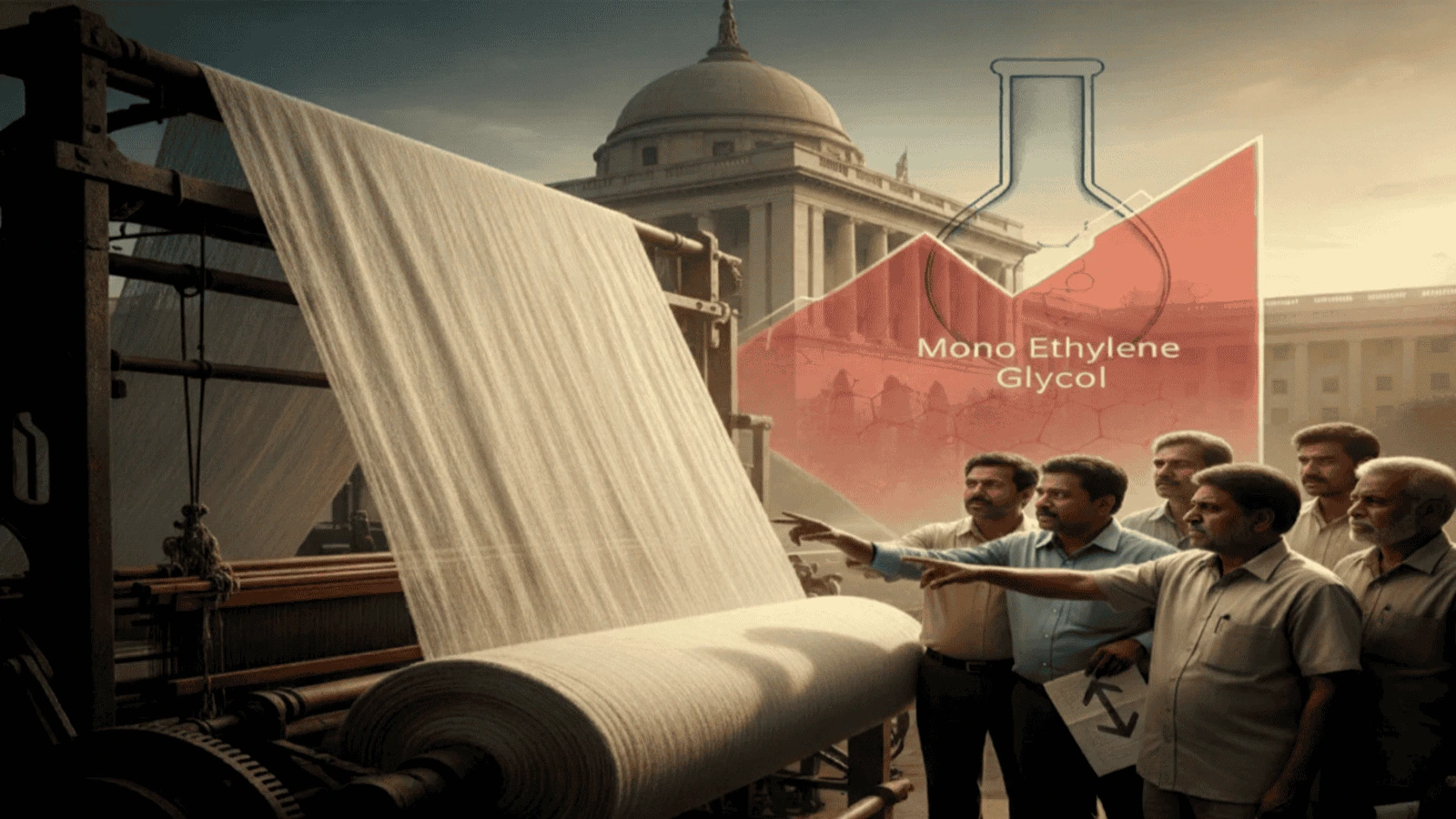
The textile and apparel sector — including fabrics, ready-made garments, and Home textiles — is set to be one of the biggest beneficiaries of the agreement. ICRA notes that duty-free access will help Indian exporters compete more effectively with regional rivals like Bangladesh, Vietnam, and Turkey, which have previously enjoyed tariff advantages in the EU market. This greater parity is expected to improve export competitiveness, stimulate investor interest, and spur long-term growth in the sector.
Wider Export Sector Gains
Beyond textiles, other major Indian export industries are poised to benefit under the FTA framework:
-
Pharmaceuticals: The EU accounts for a significant share of India’s pharma exports. The removal of tariffs is expected to enhance global competitiveness and lower input costs for domestic manufacturing.
-
Chemicals: India’s organic chemical and specialty chemical shipments to the EU — which form a sizeable part of its global exports — are likely to see improved market opportunities.
-
Agricultural and Processed Foods: Products such as tea, coffee, spices, fruits, and vegetables, as well as marine products, will gain preferential access, with some tariffs reduced by up to 26 %, supporting export revenue and employment in coastal regions.
-
Labour-intensive Sectors: Industries including leather, footwear, furniture, and rubber products are also projected to benefit from expanded access and lowered tariff barriers.
Sustained Growth in Bilateral Trade
India’s merchandise trade with the EU has grown steadily over recent years. Between 2015-16 and 2024-25, bilateral trade grew at a compound annual rate of around 7%, with India maintaining a trade surplus since 2020-21. Analysts expect that the FTA will further strengthen this trend, boosting investment, innovation, job creation, and long-term export growth across multiple sectors.
A Boost for MSMEs and Global Value Chains
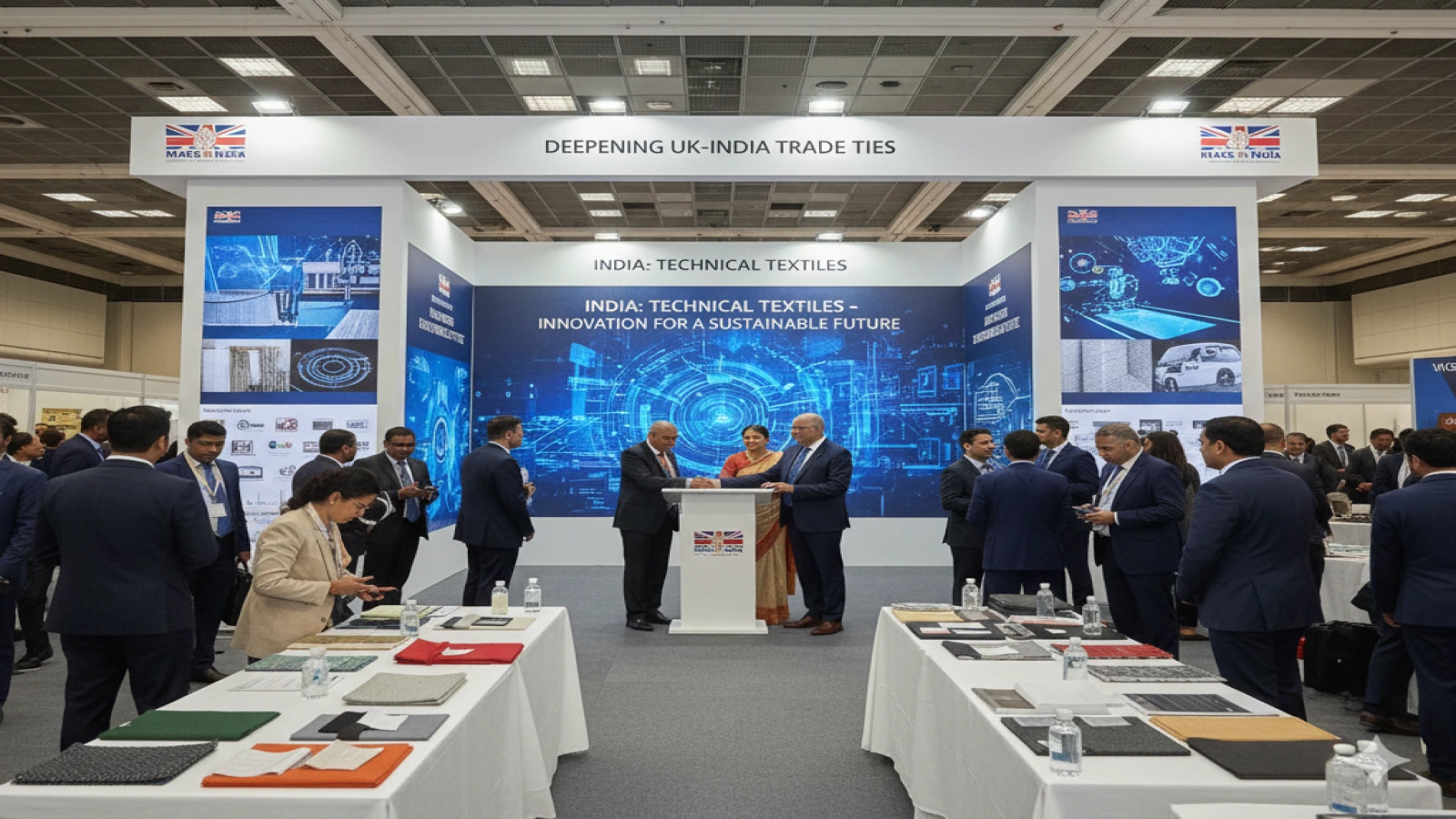
According to ICRA, the India-EU FTA is poised to enhance competitiveness across labour-intensive, agricultural, engineering, services, and advanced manufacturing sectors, while also safeguarding micro, small and medium enterprises (MSMEs) and farmers by preserving sensitive product protections and tariff safeguards. The agreement is expected to deepen Indian companies' integration into European value chains, enabling stronger global trade ties.
12:46 PM, Feb 07


.webp)
.webp)


1.webp)
1.webp)


1.webp)


1.webp)
1.webp)


1.webp)

1.webp)


1.webp)


1.webp)
1.webp)
1.webp)


1.webp)
1.webp)


1.webp)


1.webp)

1.webp)
1.webp)
1.webp)
1.webp)


1.webp)

1.webp)


1.webp)

1.webp)


1.webp)


1.webp)


1.webp)

1.webp)
1.webp)
1.webp)

1.webp)
.webp)

1.webp)

1.webp)





1.webp)





1.webp)

1.webp)


.webp)


1.webp)
1.webp)





.png)


.jpg)


1.jpeg)
