

EU Tightens Trade Guard: New Duties Reshape Glass Fibre Market
.webp)
Share Post
The European Union has imposed anti-dumping duties on imports of continuous filament Glass fibre (GFR) from Egypt, Bahrain, and Thailand in an effort to protect its domestic industry from unfair pricing practices. The decision follows an investigation by the European Commission, which concluded that these imports were being sold at dumped prices, causing significant injury to EU-based manufacturers. The newly imposed duties are set at 11% for Egypt, 11.8% for Bahrain, and range from 15.3% to 25.4% for Thailand, depending on the producer and level of dumping identified.
Continuous filament glass fibre is a strategically important material widely used as reinforcement in various industries, including automotive, construction, energy, and electronics. It plays a vital role in the production of wind turbine blades, automotive parts, marine structures, and electrical insulation materials, making it essential for supporting the European Union’s energy transition and digital infrastructure goals. The EU consumes approximately one million tonnes of glass fibre annually, with about 200,000 tonnes imported from the affected countries.
The imposition of anti-dumping duties is expected to restore fair competition within the market and provide relief to domestic producers, particularly in countries such as Belgium and Slovakia, where the industry supports around 2,500 to 3,000 jobs. However, the move may also lead to adjustments in supply chains and potential cost increases for industries that rely heavily on glass fibre. As the market adapts to these changes, the balance between protecting local manufacturing and ensuring stable supply will remain a key consideration for policymakers and industry stakeholders alike.
12:36 PM, Apr 20
Other Related Topics
.webp)

.webp)
Industry Update
1.webp)
1.webp)

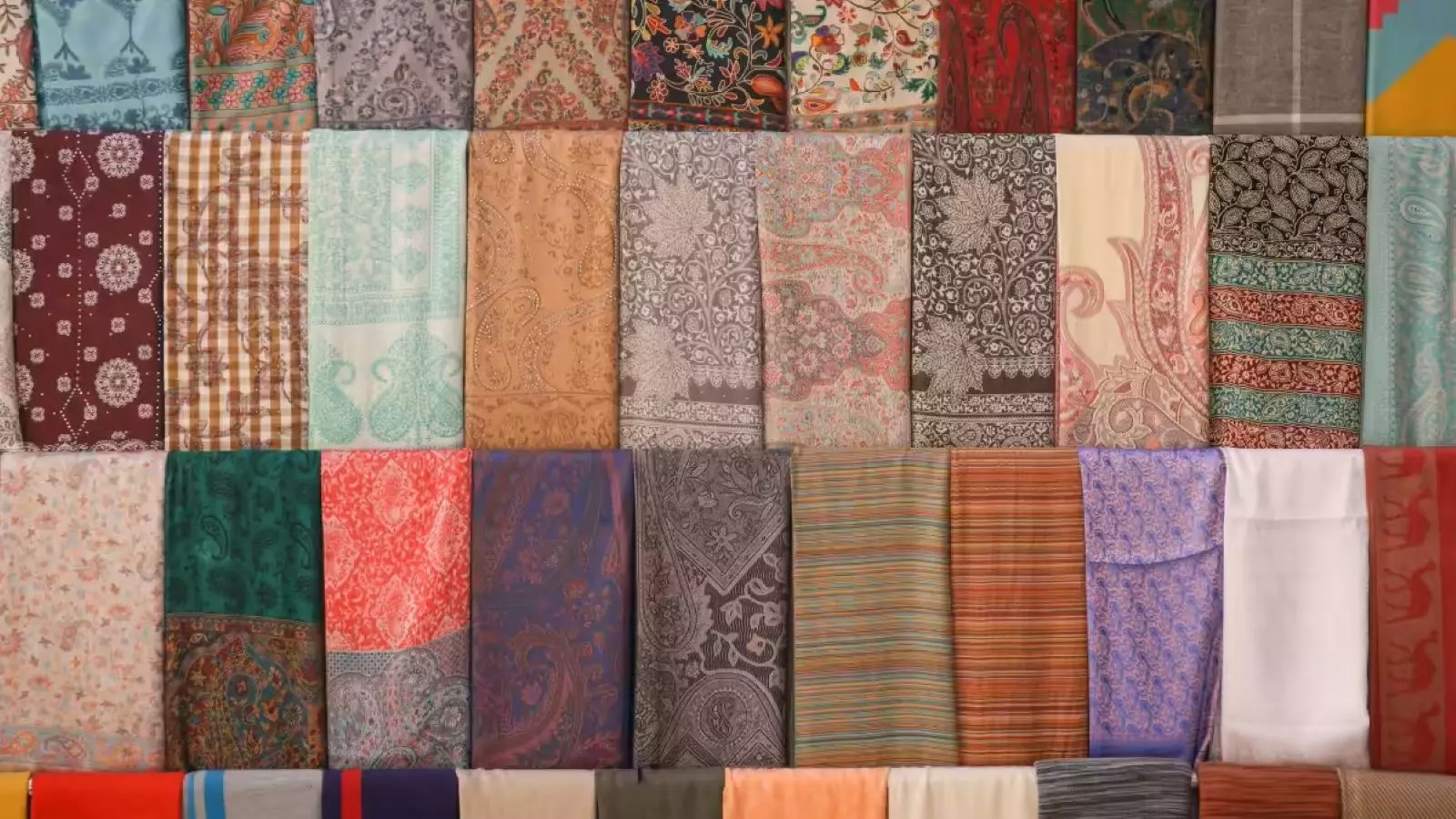
India Textile Exports Fall in FY26: Apparel Shows Slight Strength Amid Global Challenges...view more
1.webp)

1.webp)


1.webp)
1.webp)

1.webp)
1.webp)

1.webp)
1.webp)
1.webp)



1.webp)
1.webp)


1.webp)


1.webp)


1.webp)


1.webp)


1.webp)
1.webp)
1.webp)


1.webp)
1.webp)
1.webp)

1.webp)


1.webp)
1.webp)


1.webp)


1.webp)
1.webp)


1.webp)

1.webp)


1.webp)


1.webp)
1.webp)
1.webp)


1.webp)
1.webp)


1.webp)


1.webp)

1.webp)
1.webp)
1.webp)
1.webp)


1.webp)

1.webp)


1.webp)

1.webp)


1.webp)




1.webp)


1.webp)

1.webp)
1.webp)
1.webp)

1.webp)
.webp)

1.webp)


1.webp)







1.webp)










1.webp)

1.webp)


.webp)


1.webp)
1.webp)





.png)


.jpg)


1.jpeg)
