

Freudenberg Expands Wetlaid Nonwovens Range for Bio‑Based Plant Pots

Share Post
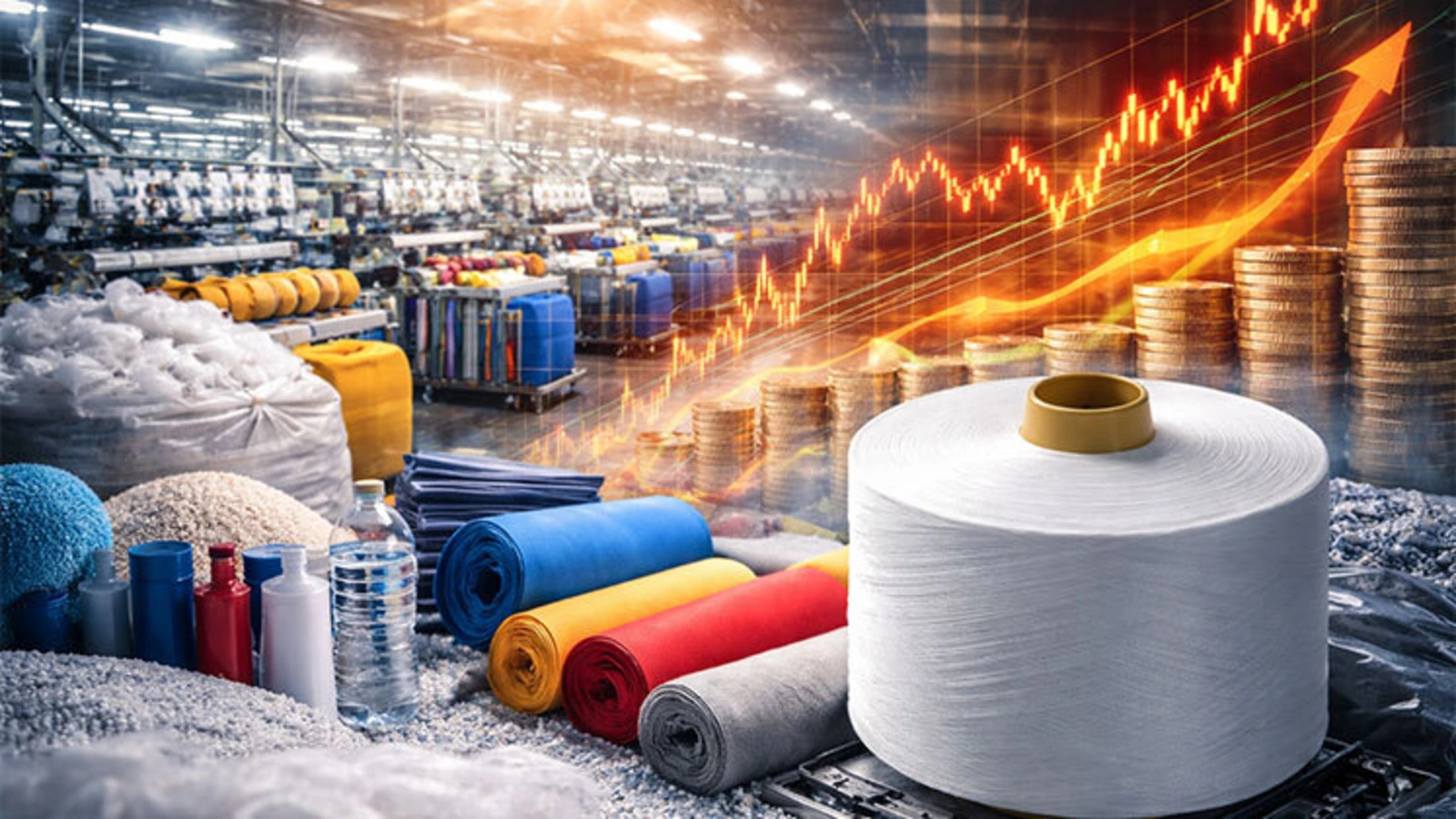
Freudenberg Performance Materials has broadened its portfolio of 100% bio‑based wetlaid nonwoven materials designed specifically for plant propagation pots and horticultural applications. The new range pairs polylactic acid (PLA) with wood pulp to deliver nonwovens that offer controlled degradation, mechanical strength, and process performance tailored for nurseries and commercial growers.
Eco‑Conscious Material Innovation
This expanded wetlaid nonwovens range underscores a strong shift toward sustainable and compostable textile solutions in the industrial materials space. Unlike conventional nonwovens reliant on synthetic polymers, these materials are 100% bio‑based, combining the natural biodegradability and water absorption of wood pulp with the structural strength and hot‑sealability of PLA.
The wetlaid production process, a method distinct from the more common spunlaid technology, enables the blending of various polymeric and non‑polymeric Fibers, allowing for enhanced performance characteristics in final products. This flexibility makes the new materials well suited for horticulture, particularly in applications where root growth, soil integration, and environmental impact are key considerations.
Versatile Horticulture Applications
Growers and plant nurseries are increasingly seeking sustainable alternatives to traditional plastic pots. Freudenberg’s bio‑based wetlaid nonwovens address this need by enabling plant pots that naturally biodegrade in soil, reducing plastic waste while supporting healthy root development. Such products are well suited for short‑ to long‑term plant propagation in vegetable, flower and forestry cultivation.
In addition to horticulture, the material’s breathability, water management and flexibility position it for emerging applications in related markets such as compostable packaging, filtration substrates and biodegradable industrial textiles.
Sustainability and Industry Impact
This product expansion reflects broader industry trends toward sustainable materials and circular economy solutions in technical textiles. By eliminating chemical binders and using bio‑sourced constituents, Freudenberg’s technology aligns with sector demands for eco‑friendly manufacturing and end‑of‑life biodegradability.
Analysts note that innovations like these are set to reduce reliance on plastics across horticulture and agricultural supply chains, also offering growers cost savings and environmental benefits. Moreover, the ability to tailor degradation rates and mechanical properties adds value for users requiring specific performance profiles.
05:51 PM, Apr 09
.webp)
Freudenberg Expands Wetlaid Nonwovens Range for Bio‑Based Plant Pots
05:51 PM, Apr 09.webp)
.webp)

1.webp)

1.webp)
1.webp)

1.webp)
1.webp)
1.webp)

1.webp)
1.webp)


1.webp)


1.webp)


1.webp)


1.webp)

1.webp)
1.webp)
1.webp)


1.webp)
1.webp)
1.webp)

1.webp)


1.webp)
1.webp)


1.webp)


1.webp)
1.webp)


1.webp)

1.webp)


1.webp)


1.webp)
1.webp)
1.webp)


1.webp)
1.webp)


1.webp)


1.webp)

1.webp)
1.webp)
1.webp)
1.webp)


1.webp)

1.webp)


1.webp)

1.webp)


1.webp)

1.webp)


1.webp)

1.webp)
1.webp)
1.webp)

1.webp)
.webp)

1.webp)

1.webp)



1.webp)







1.webp)

1.webp)


.webp)


1.webp)
1.webp)





.png)


.jpg)


1.jpeg)
